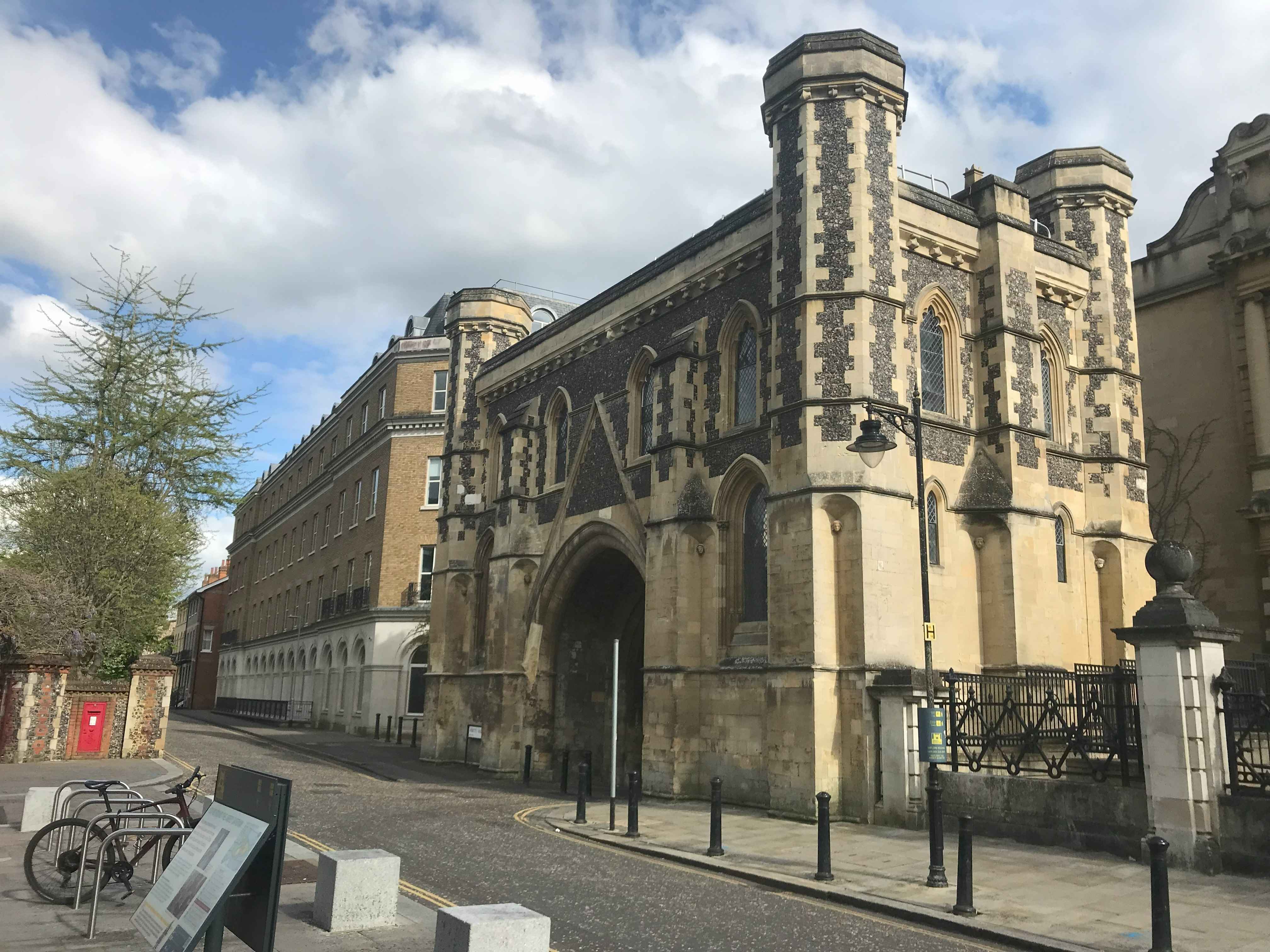
The Abbey Gate
Originally the gateway between the part of Reading Abbey open to the public and the area reserved for monks. It survived the 1539 dissolution of the Abbey and was turned into Royal lodgings. Queen Elizabeth I was a regular visitor. It was later used as a schoolroom by Reading Ladies Boarding School (including the future novelist Jane Austen circa 1795). Falling into a state of disrepair, it was heavily restored by Sir George Gilbert Scott in 1861 and is now a grade 1 listed building.
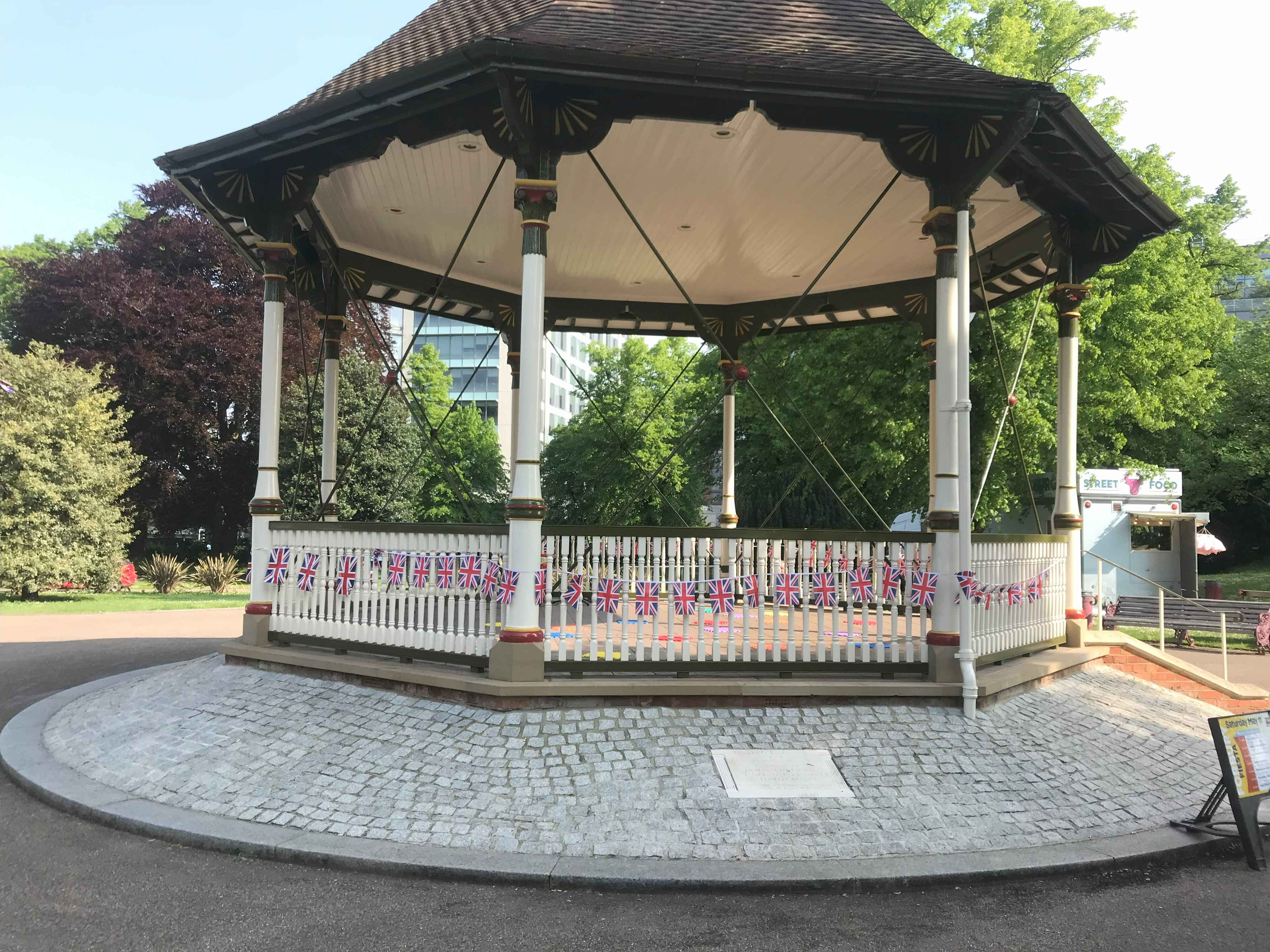
The Bandstand
Recently renovated and site of numerous free events. The bandstand is the location of the D-day memorial and the memorial to those killed in the 2020 Forbury terrorist attack.
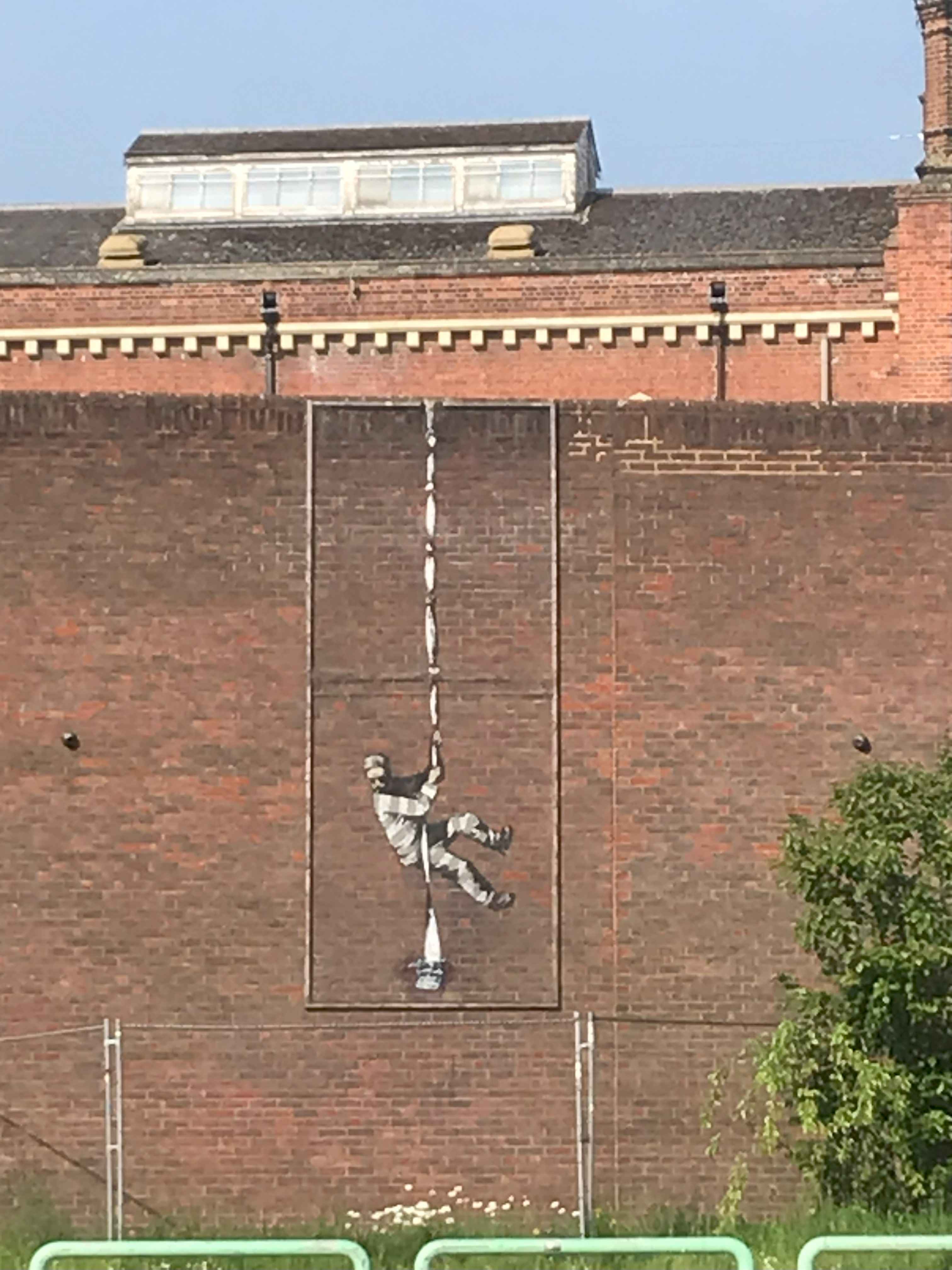
The Banksy Mural
Appeared on the night of 28th February to 1st March. It is later partly vandalised before the current protection measures are introduced by Reading Borough council.
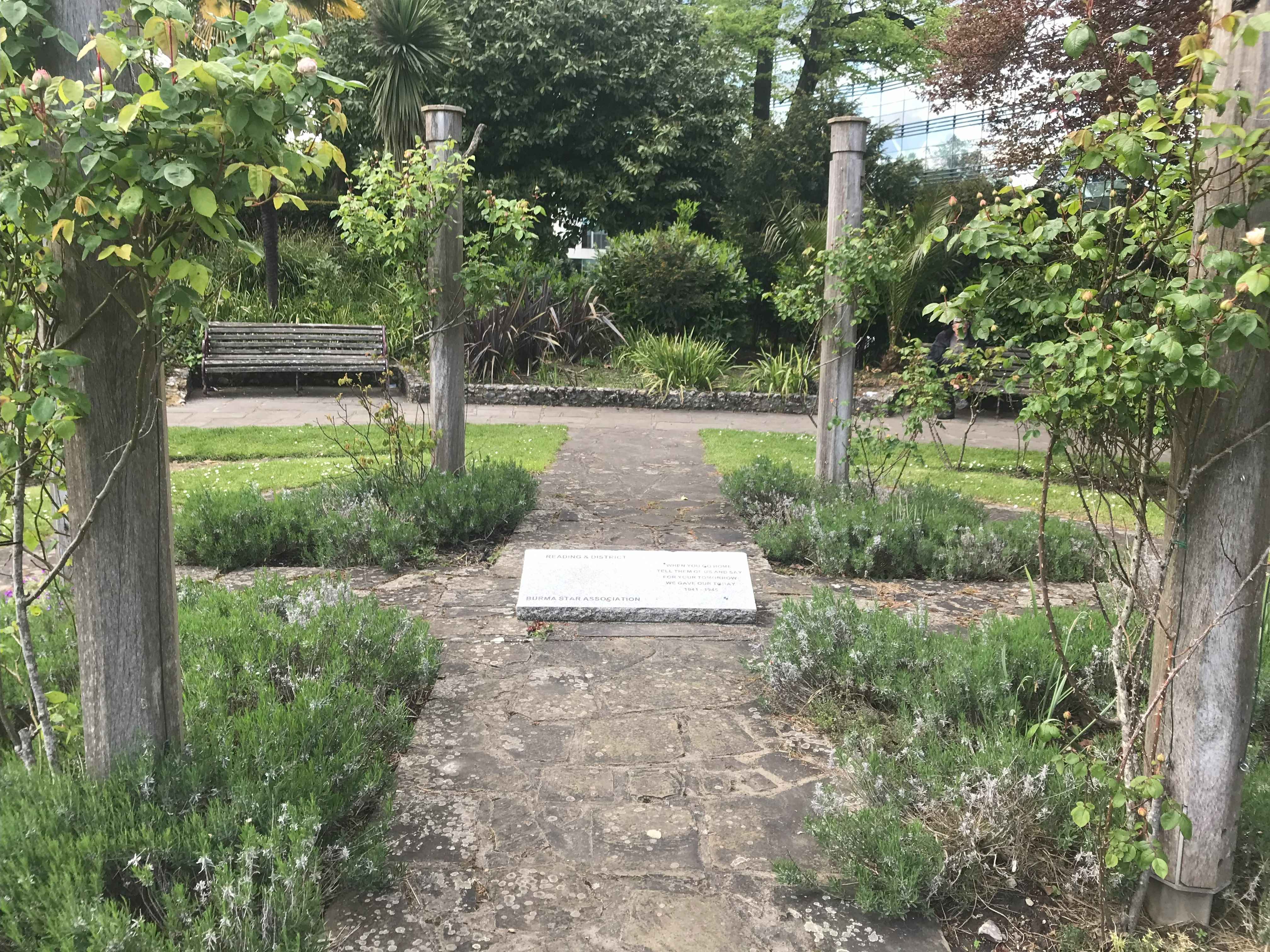
The Burma Star Association Memorial
Maintained by the Burma star association
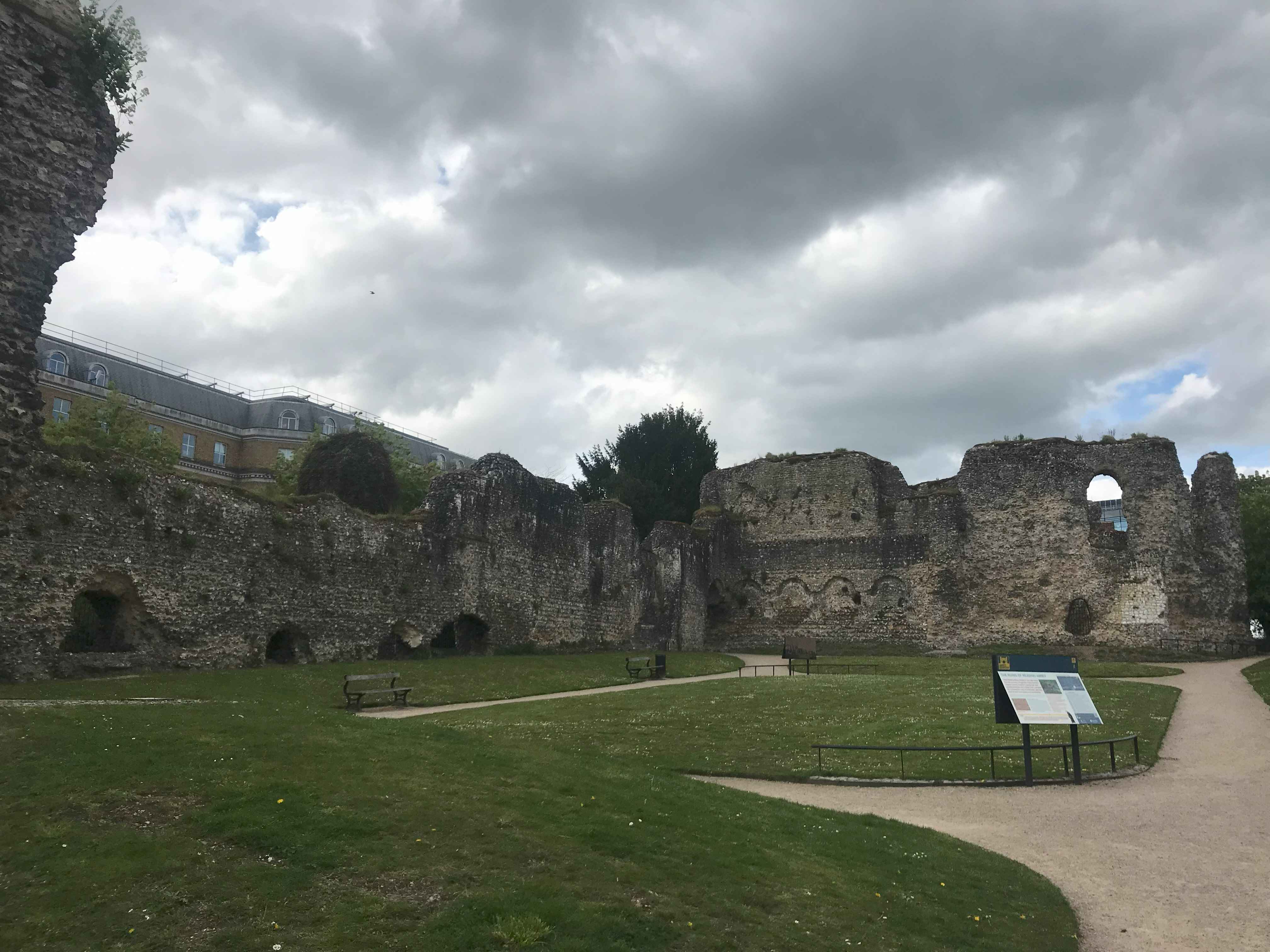
The Abbey Ruins
Active between 1121 and 1538 the abbey was home to monks of the Benedictine order and one of the largest abbeys in Europe. It owned extensive lands and formed a major economic hub of the area.
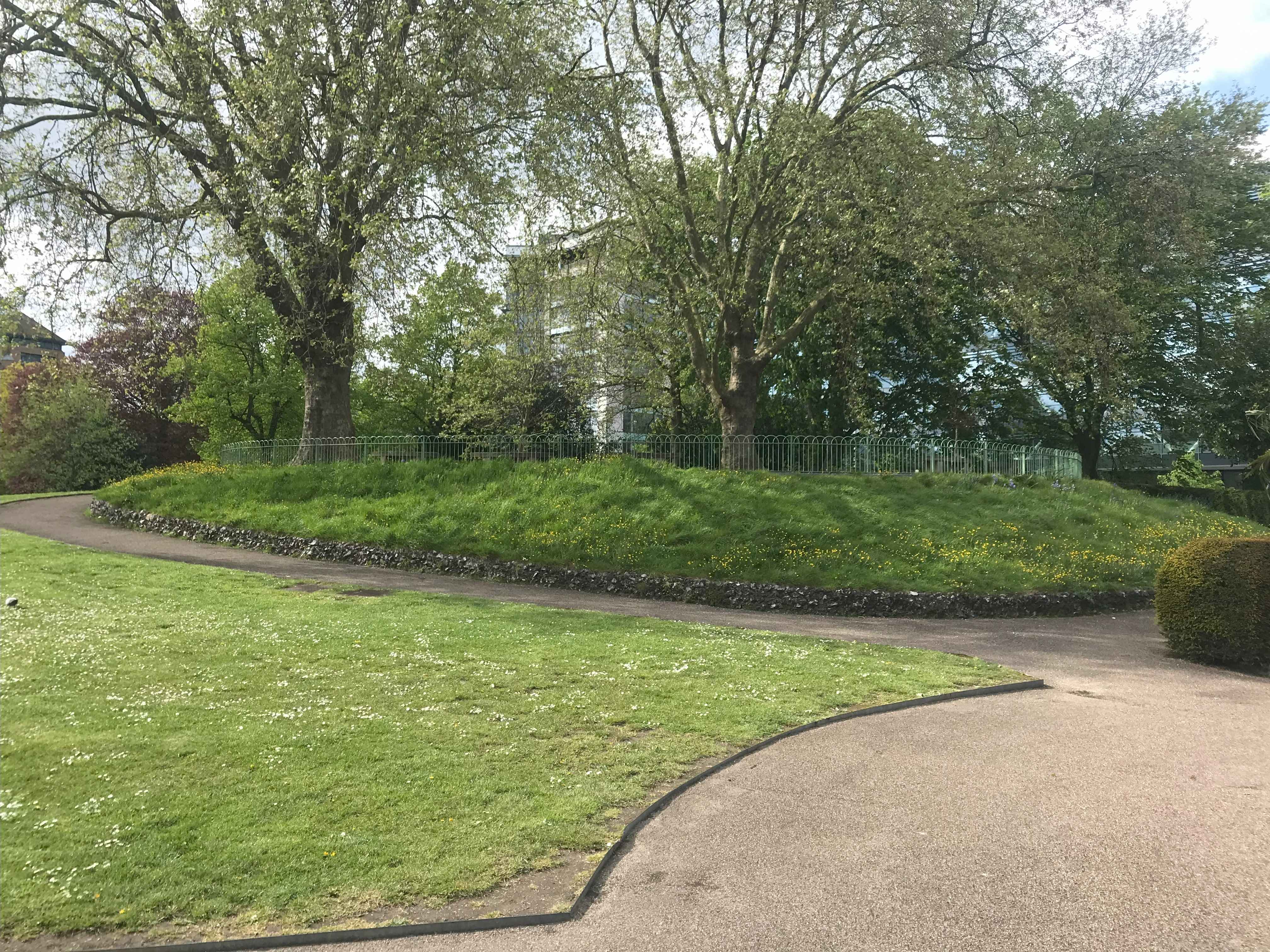
Forbury Hill
The exact origins of the hill are disputed. Theories range from a Viking camp to an early Motte and Bailey castle. It is certain Forbury Hill was part of the towns defences in the siege of reading (1642-43), where it was used as a gun emplacement.
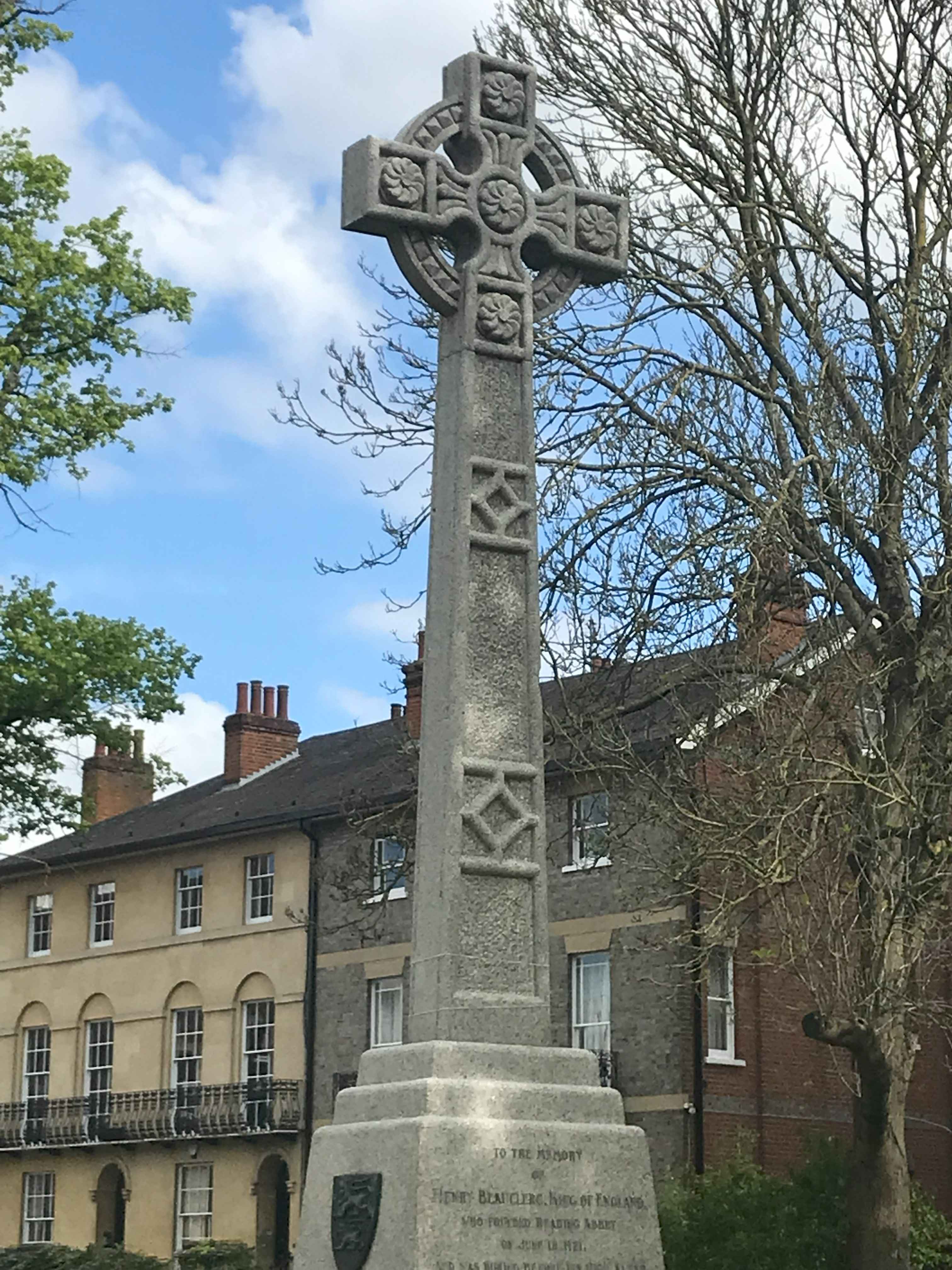
The Henry I Monument
Erected in 1909 to commemorate Henry I (1068-1135). Henry founded nearby Reading Abbey and was later buried there. The monument bears Henry's personal coat of arms of two lions.
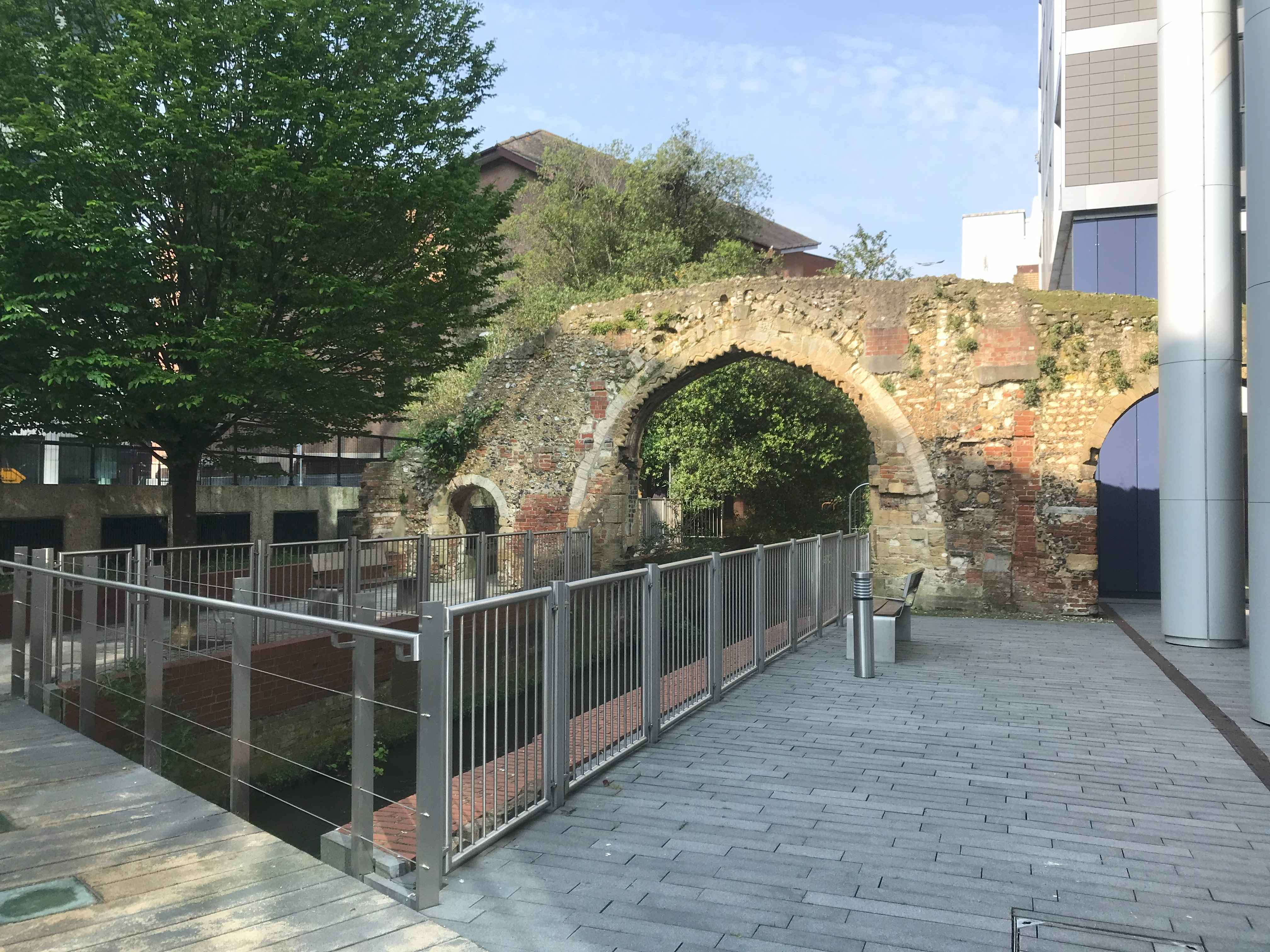
Holy Brook Mill
This wall is all that remains of the Abbey's mill. It was actually active into the 1950's when it was pulled down to make way for development.
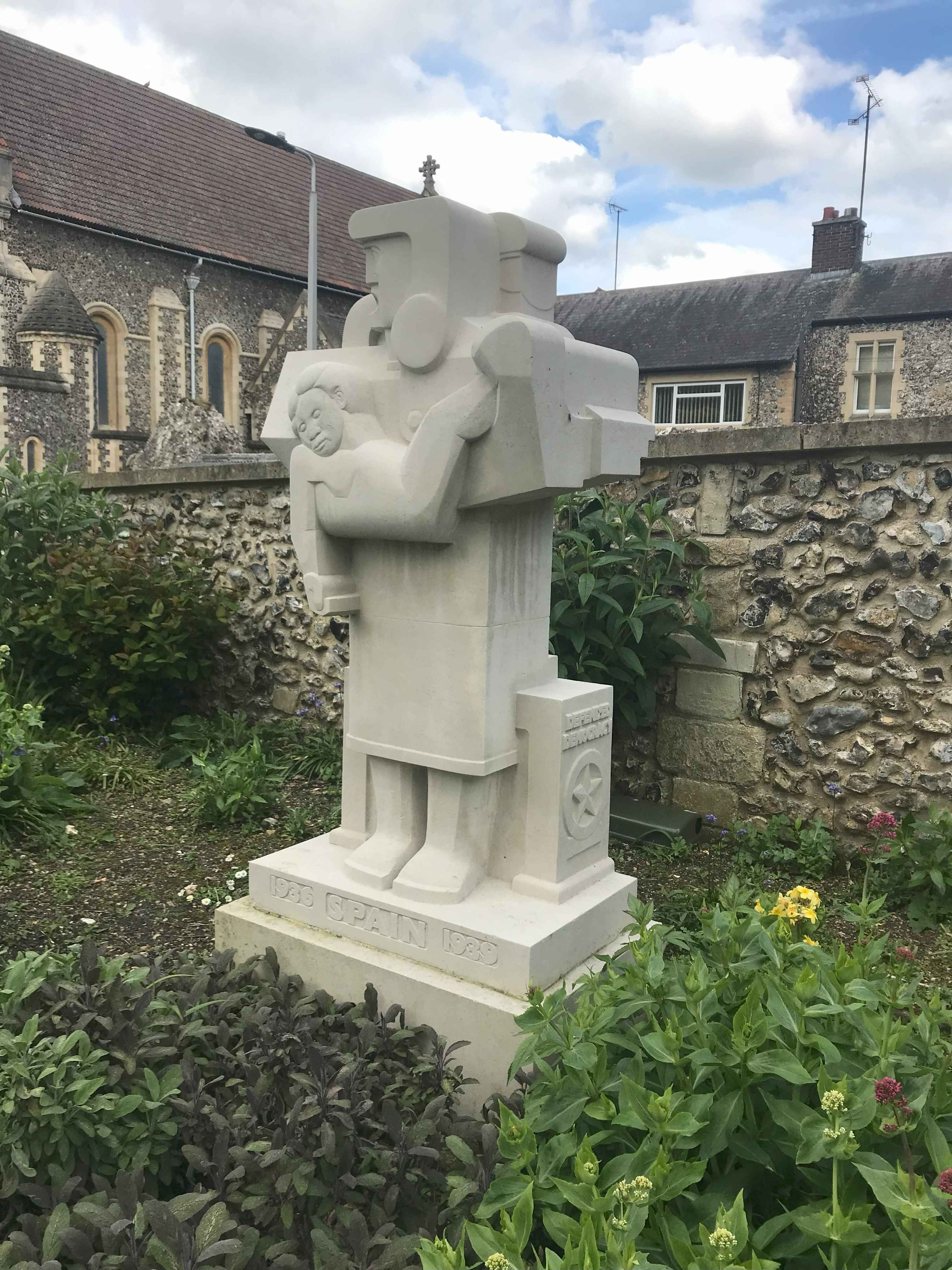
The International Brigades Memorial
Moved from it's original location outside the Civic Center following it's closure in 2015, the monument commemorates men from Reading killed fighting for the Spanish Republic in the Spanish civil war (1936-39)
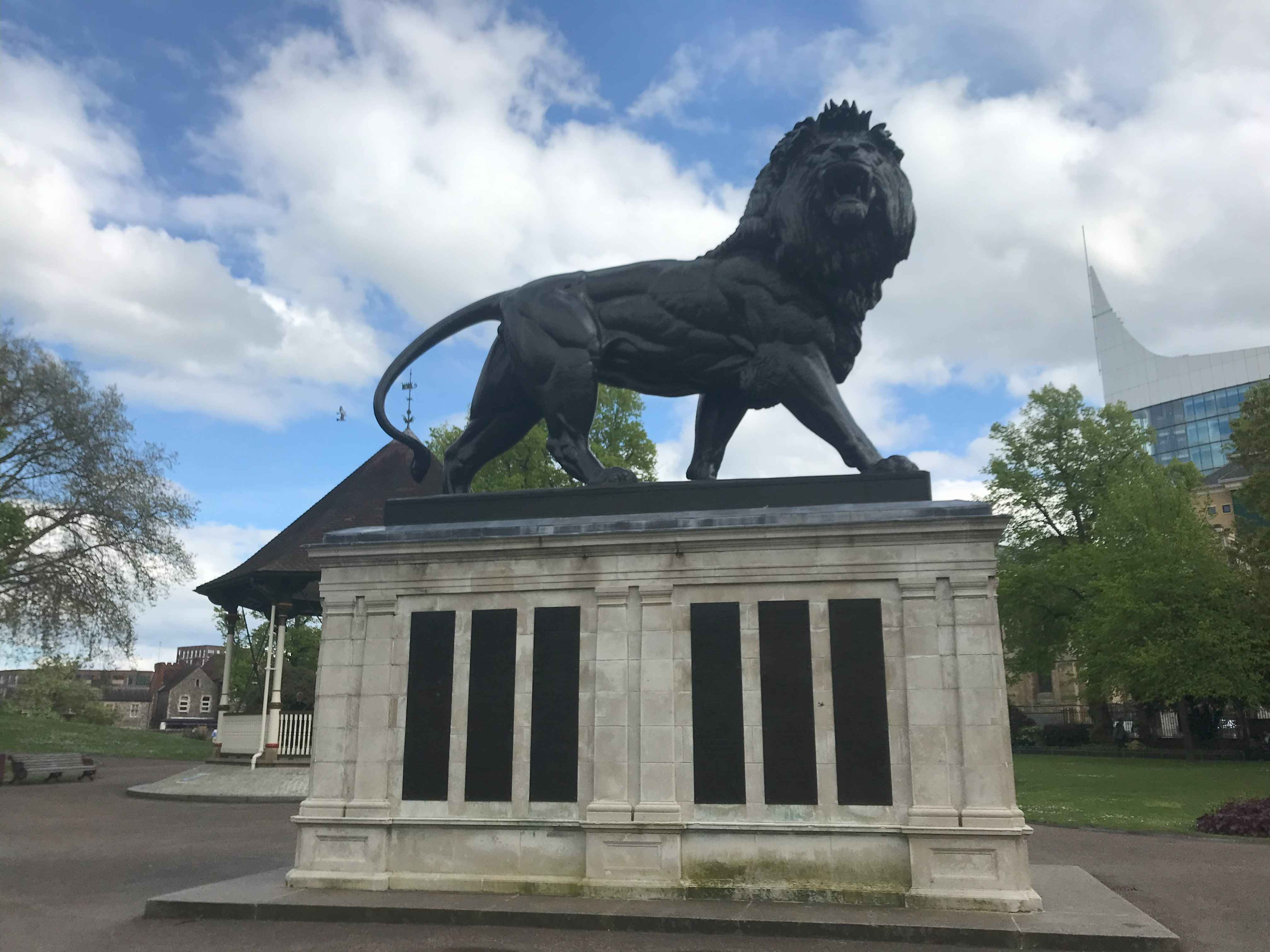
The Maiwand Lion
Erected in 1886 to commemorate soldiers of the Royal Berkshire Regiment killed at the battle of Maiwand in 1880, part of the The Second Anglo-Afghan war. Sculpted by George Blackall Simonds Also known as the Forbury Lion, it has become an unnofficial mascot of the town, appearing on the masthead of local newspaper The Reading Chronicle and the badge of Reading FC.
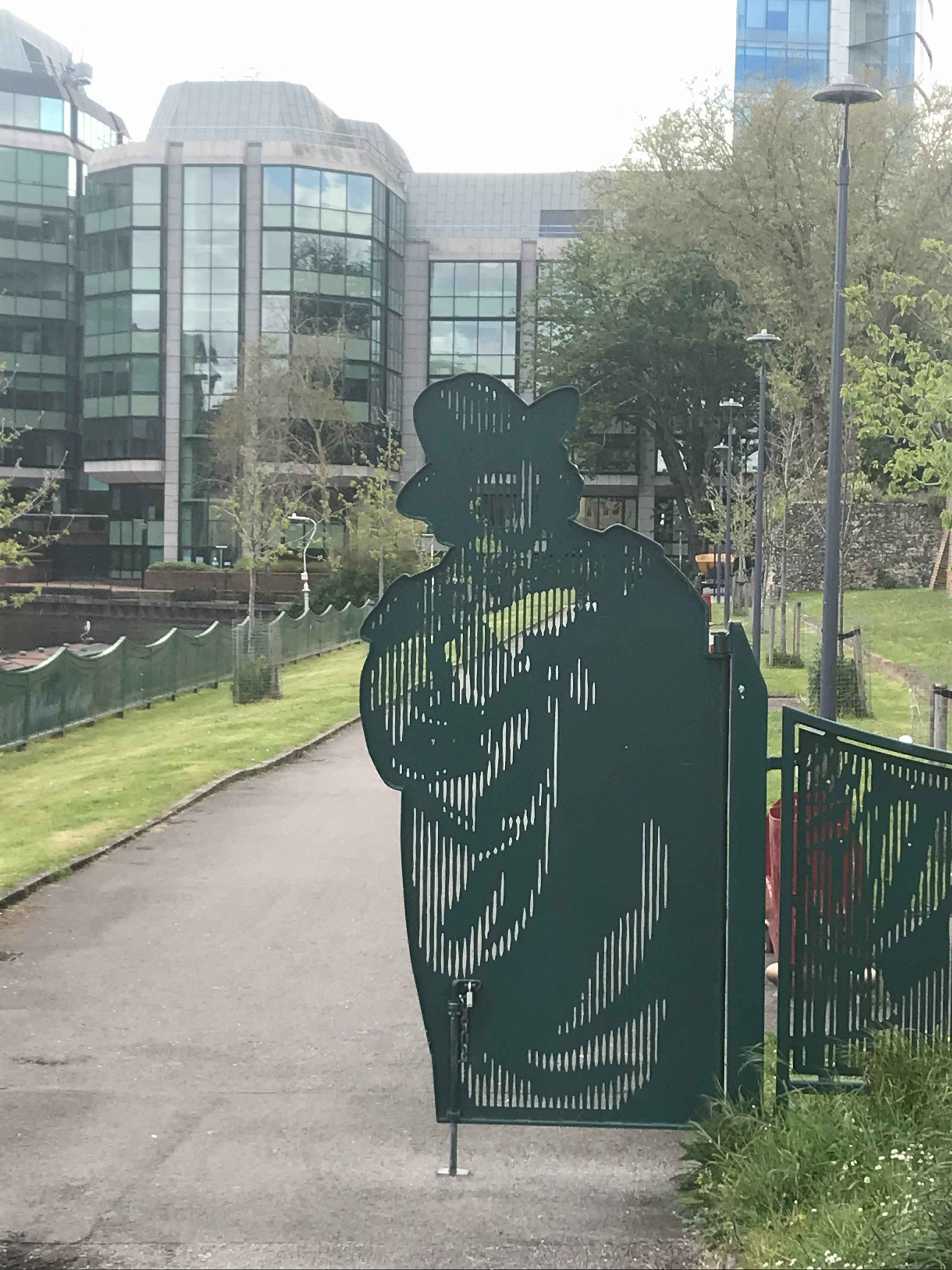
Oscar Wild Walk
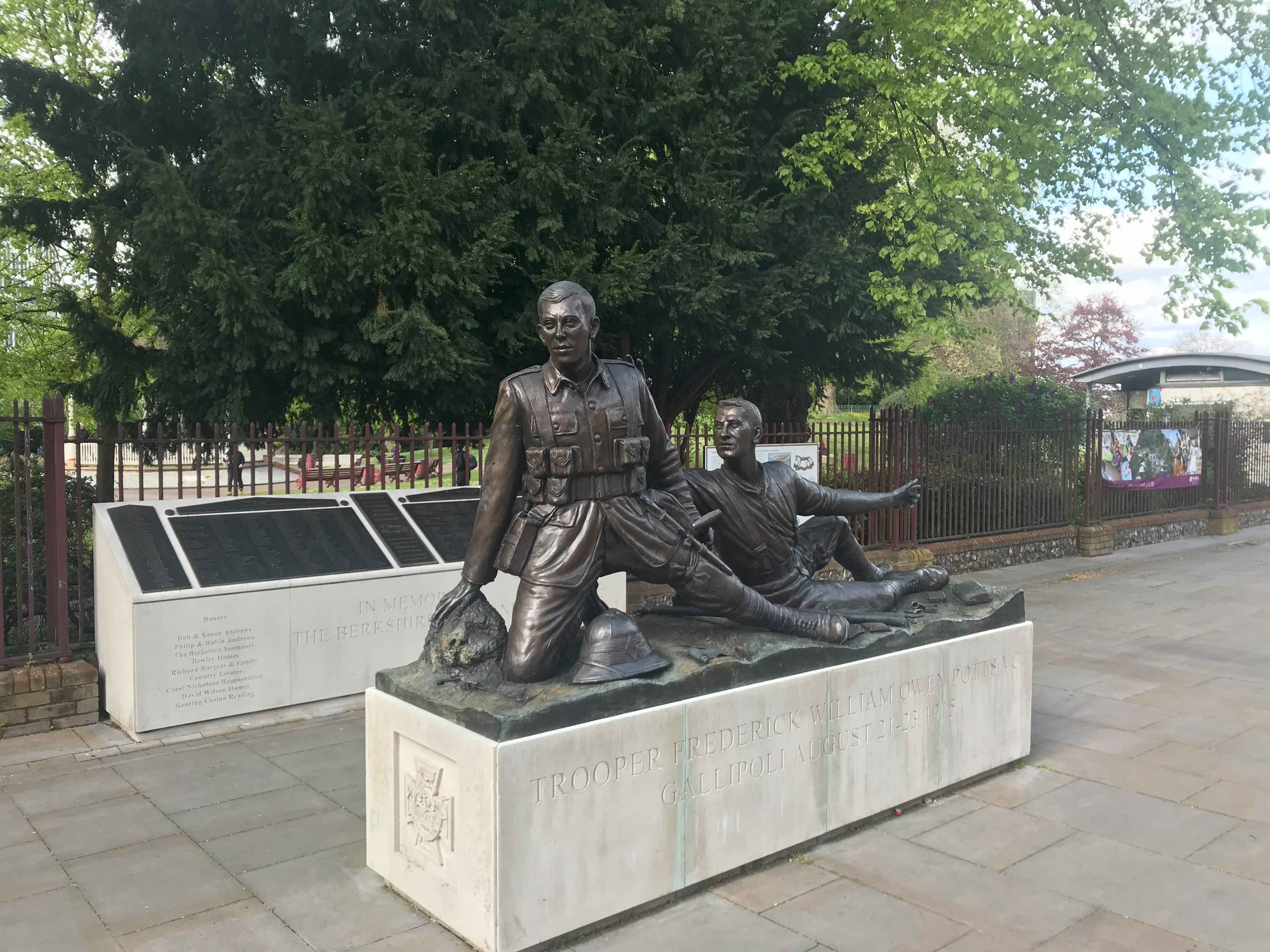
Trooper Potts Memorial
Unveiled in 2015 to commemorate Trooper Fred Potts VC and the men of the Berkshire Yeomanry killed in the Boer war and WW I & II.
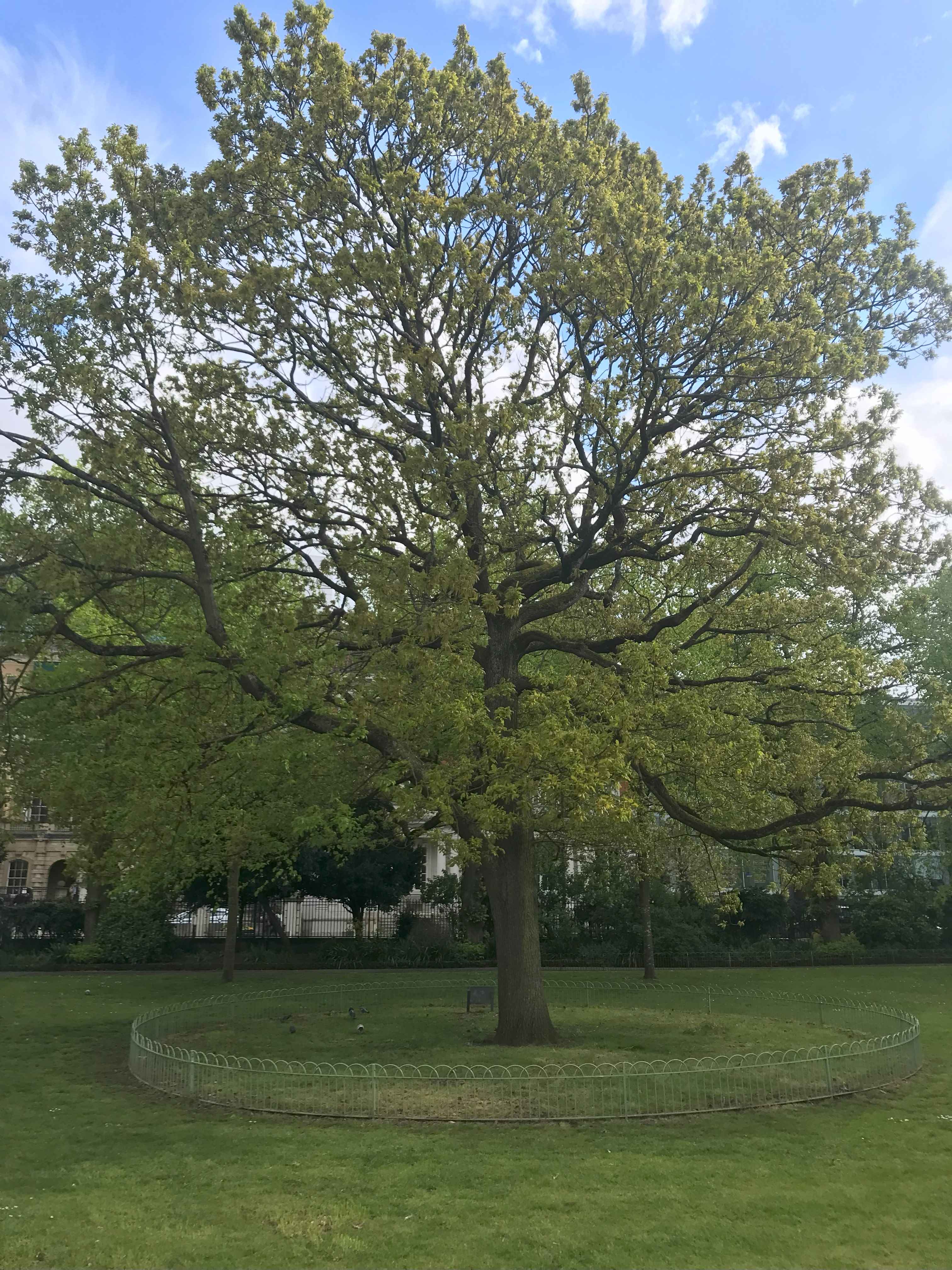
The Verdun Oak
Grown from an acorn from the battlefield of Verdun and planted Saturday 19th July 1919 as part of national commemorations marking the formal end of the First World War.
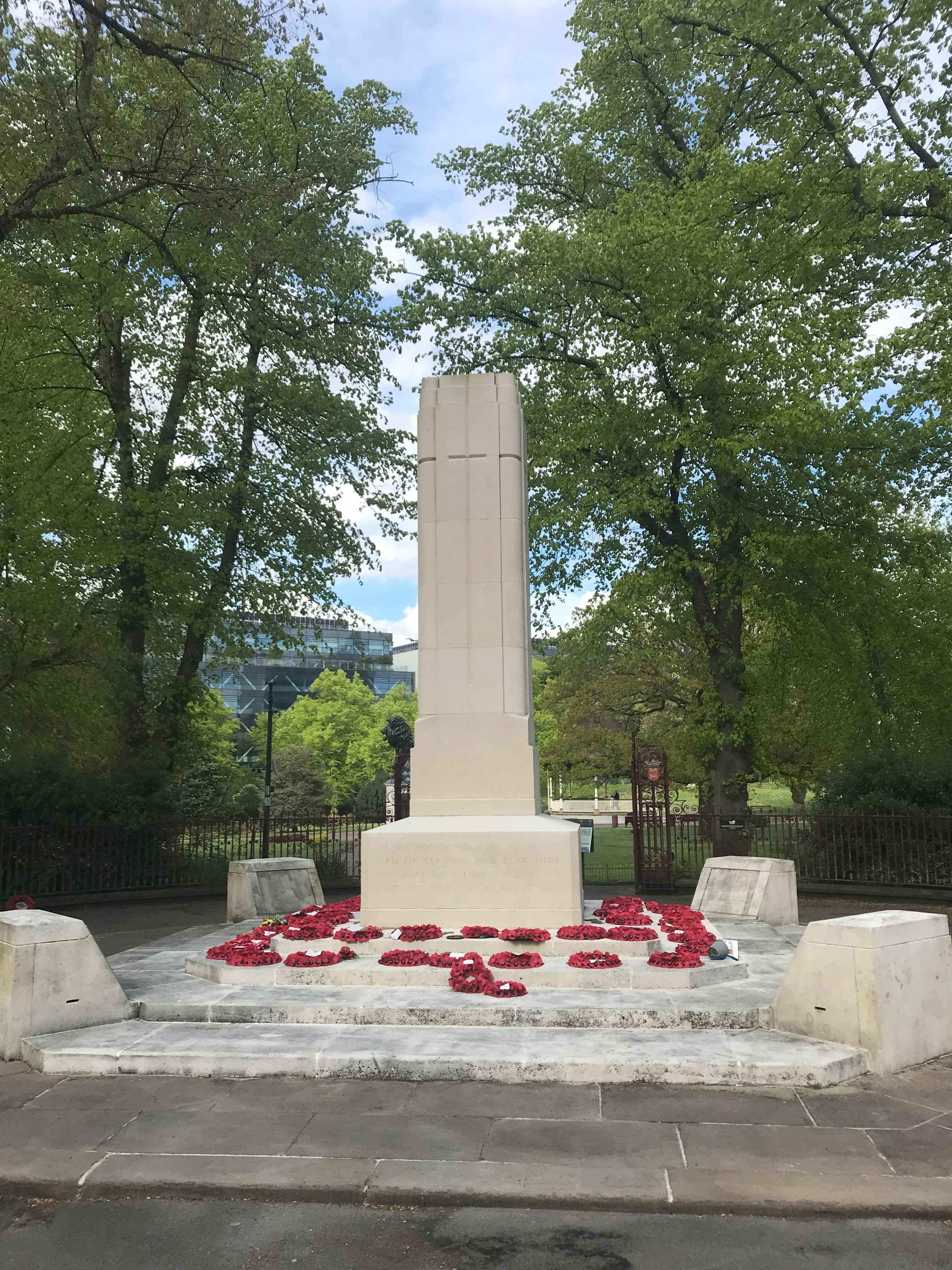
The World War I and II memorial
Erected in 1932 at the Victoria Gate, the main entrance to Forbury Gardens, the memorial forms the focus of the Towns annual remembrance day commemorations.
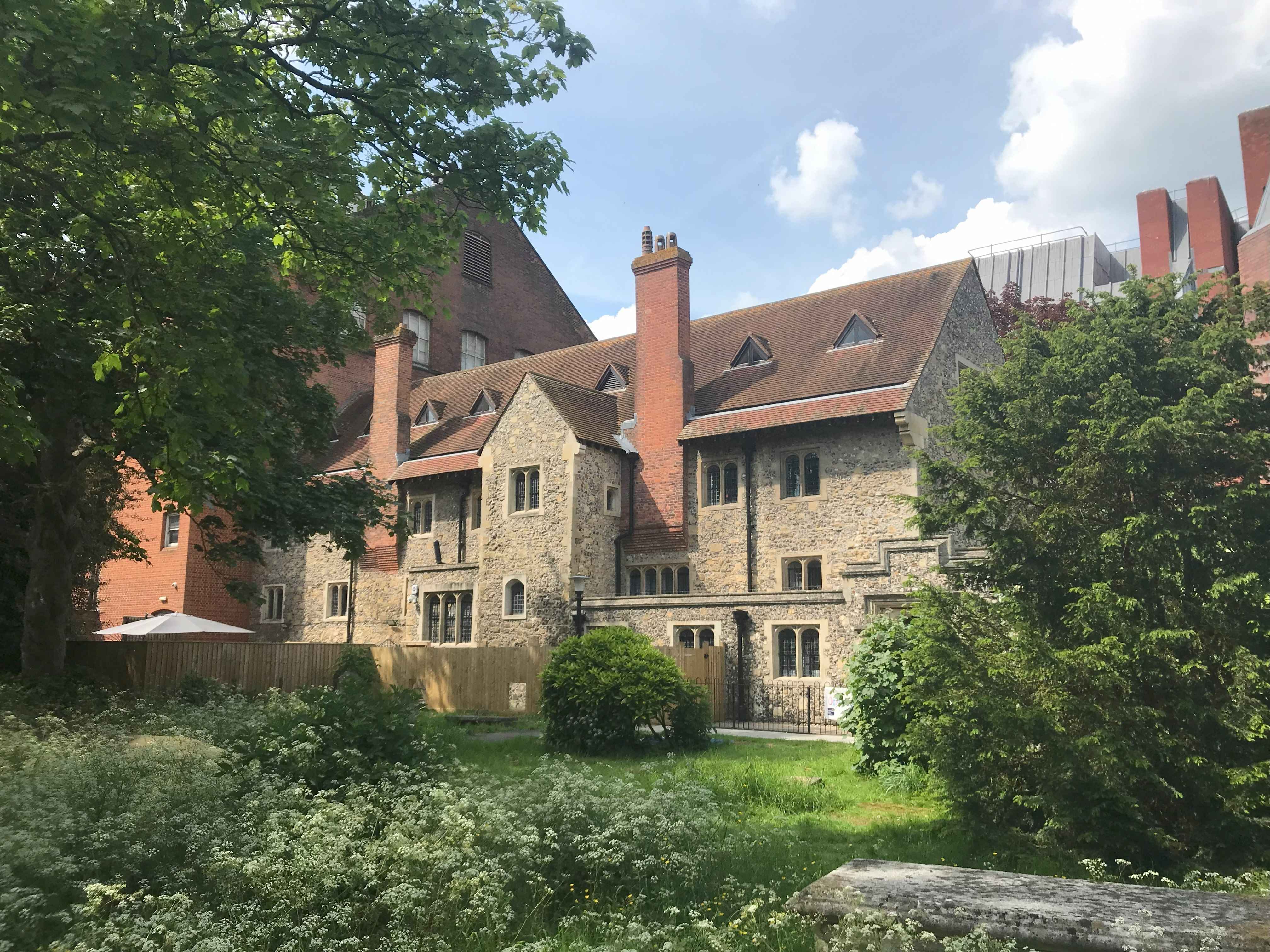
Hospitium of St John the Baptist
This is the oldest part of the abbey still intact and in use. It has been used variously as a hospital, a school, the town hall and as offices.